
The Benefits of Hiring Experienced Shed Builders
- Written by Rain Check
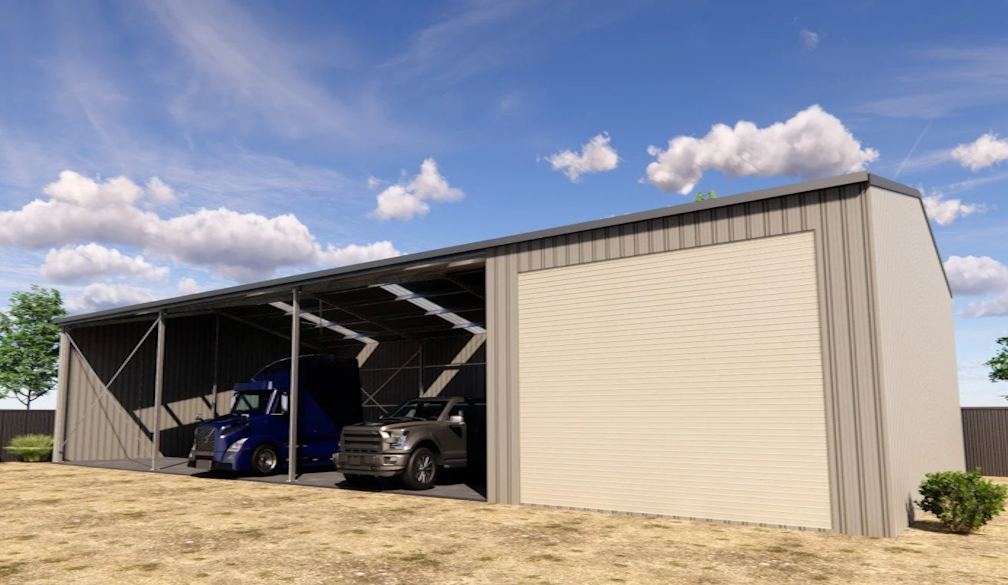
When considering a new shed for your property, whether for storage, a workshop, or recreational use, the expertise of the builders you choose can make a significant difference in the outcome. Hiring experienced shed builders offers numerous advantages, ensuring that your project is completed to high standards and that you achieve the best value for your investment. This article explores the key benefits of engaging experienced shed builders, highlighting how their skills and knowledge contribute to a successful build.
Quality Craftsmanship and Expertise
Experienced shed builders bring a high level of craftsmanship and expertise to the table. Their years of working with various shed designs and materials mean they understand the nuances of construction, from foundational work to finishing touches. This expertise ensures that the shed is built to last, with attention to detail and adherence to industry standards.
Their knowledge extends to selecting the best materials for your specific needs, ensuring durability and longevity. Whether it's choosing the right type of steel, timber, or insulation, experienced builders can advise you on the best options based on your location, intended use, and budget.
Efficient Project Management
An experienced shed builder brings a wealth of project management skills, helping to streamline the construction process. They are well-versed in managing timelines, coordinating with suppliers, and organising subcontractors, which helps keep the project on track and within budget.
Their experience allows them to foresee and address potential issues before they become major problems, reducing delays and unexpected costs. With a clear understanding of the construction timeline and requirements, experienced builders ensure that your shed is completed efficiently and to a high standard.
Compliance with Building Regulations
Building a shed involves adhering to various local building codes and regulations. Experienced shed builders are familiar with these requirements and ensure that your project complies with all necessary standards. This knowledge helps avoid potential legal issues and ensures that the construction is safe and up to code.
They also handle the necessary permits and inspections, taking the hassle out of navigating the regulatory landscape. By ensuring compliance with all regulations, experienced builders help protect your investment and ensure the safety and legality of your shed.
Customisation and Design Expertise
If you have specific design ideas or requirements for your shed, experienced builders can help bring your vision to life. Their expertise in customisation allows them to design and construct sheds that meet your unique needs, whether it's a customised layout, specific features, or unique aesthetics.
They can provide valuable input on design choices, helping you make informed decisions about materials, layout, and features. Their experience allows them to balance functionality with aesthetics, ensuring that your shed not only serves its purpose but also complements your property.
Cost-Effective Solutions
While hiring experienced shed builders might seem like a more significant upfront investment, it often proves to be cost-effective in the long run. Their expertise helps prevent costly mistakes and rework, reducing the likelihood of needing repairs or modifications after construction.
Additionally, experienced builders can source high-quality materials at competitive prices, leveraging their industry connections to get the best value for your money. Their ability to manage the project efficiently also helps keep costs under control, ensuring that you stay within budget.
Enhanced Safety and Reliability
Safety is a crucial consideration in any construction project, and experienced shed builders prioritise it throughout the process. They follow best practices for construction safety, ensuring that the building site is secure and that the shed is constructed safely.
Their reliability extends to meeting deadlines and delivering on their promises. Experienced builders understand the importance of completing the project on time and to the agreed-upon specifications, providing you with peace of mind and confidence in their work.
Long-Term Support and Warranty
Many experienced shed builders offer warranties on their work, providing additional peace of mind and protection for your investment. This warranty often covers defects in materials or workmanship, giving you assurance that any issues will be addressed promptly.
Additionally, experienced builders can offer long-term support and maintenance services, helping you keep your shed in good condition over the years. Their ongoing support ensures that you can rely on your shed for its intended purpose and that any issues are resolved quickly and efficiently.