
Creative Ways to Incorporate Rugs and Blinds in Your Home
- Written by Rain Check
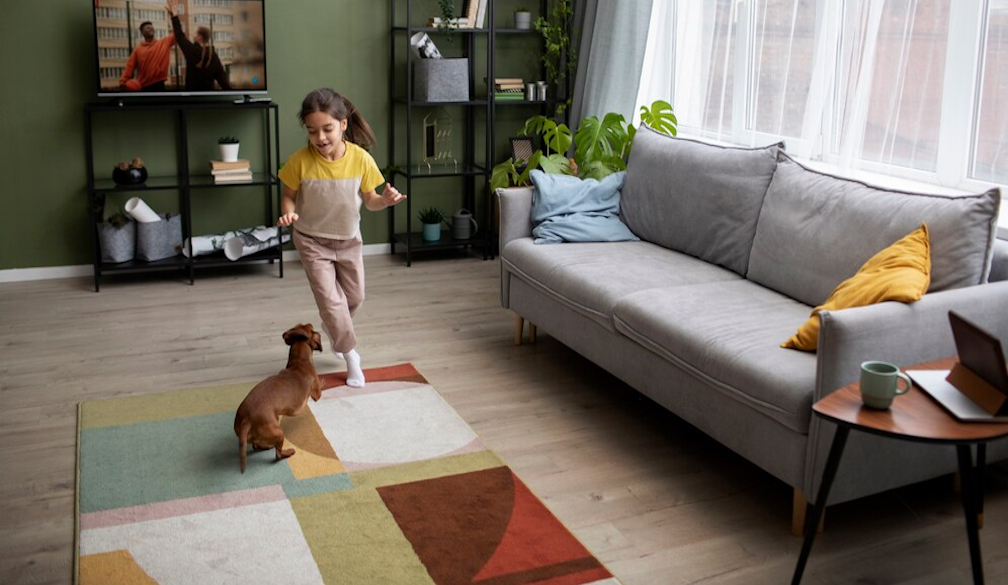
The Importance of Rugs and Blinds in Interior Design
Rugs and blinds are often overlooked in the world of interior design, but these humble elements can have a profound impact on the overall aesthetic and functionality of a space. Far from being mere afterthoughts, rugs and blinds can serve as the foundation for a cohesive and visually appealing interior. They can anchor a room, define different zones, and add depth, texture, and warmth to a space.
When used strategically, rugs and blinds can transform a room from drab to dynamic. They can enhance the existing decor, complement the color scheme, and even create the illusion of a larger or more intimate space. Whether you're working with a minimalist, modern, or traditional style, there's a rug and blind combination that can elevate the look and feel of your home.
Beyond their aesthetic appeal, rugs and blinds also serve practical purposes. Rugs can provide insulation, improve acoustics, and protect delicate flooring, while blinds offer privacy, light control, and energy efficiency. By carefully selecting and pairing these elements, you can create a space that is not only beautiful but also highly functional and tailored to your specific needs and preferences.
Choosing the Right Rug for Your Space
When it comes to selecting the perfect rug for your space, there are a few key factors to consider. The size of the room, the layout, and the existing furniture and decor all play a role in determining the right rug size, shape, and style.
For larger rooms, a larger rug is generally recommended to anchor the space and create a cohesive look. Conversely, in smaller rooms, a smaller rug can help to make the space feel more intimate and cozy. When it comes to shape, rectangular rugs are a classic choice, but don't be afraid to experiment with round, oval, or even irregularly shaped rugs to add visual interest and break up the monotony of a rectangular room.
The material and pattern of the rug are also important considerations. Natural fibers like wool, cotton, and jute can add warmth and texture, while synthetic materials like nylon or polyester may be more durable and easier to clean. As for patterns, the options are endless – from bold, graphic designs to subtle, neutral tones. Consider the overall style of your space and choose a rug that complements the existing decor, whether it's a traditional Persian rug or a modern, geometric pattern.
Types of Blinds and Their Functionality
Blinds are another essential element in the world of interior design, offering both practical and aesthetic benefits. From classic wooden venetian blinds to sleek, modern roller blinds, there is a wide range of options to choose from, each with its own unique features and benefits.
Venetian blinds are a perennial favorite, known for their timeless appeal and versatility. These blinds feature horizontal slats that can be adjusted to control the amount of light and privacy in a room. They come in a variety of materials, including wood, faux wood, and aluminum, allowing you to choose a finish that complements your decor.
Roller blinds, on the other hand, offer a more streamlined and contemporary look. These blinds roll up neatly into a compact cassette, making them a great choice for small windows or areas with limited space. They are available in a range of fabrics, from sheer and light-filtering to blackout, giving you the ability to control the amount of light and privacy in your space.
When selecting blinds, consider factors such as the size and shape of your windows, the level of light control you require, and the overall style of your home. Cellular shades, pleated shades, and Roman shades are also popular options, each with their own unique features and benefits. By carefully considering the functionality and aesthetic of your blinds, you can create a cohesive and visually appealing interior that meets your needs and preferences.
Creative Ways to Use Rugs in Different Rooms
Rugs are incredibly versatile and can be used in a variety of ways to enhance the look and feel of any room in your home. From the living room to the bedroom, rugs can serve as a foundation for your design scheme, adding warmth, texture, and visual interest.
In the living room, a large, statement rug can define the seating area and anchor the entire space. Opt for a bold, patterned rug to create a focal point, or choose a neutral, textured rug to add depth and warmth to the room. You can also layer smaller rugs for a more eclectic, bohemian look, or use a runner rug to create a cohesive flow between different zones within the living room.
In the bedroom, a plush, cozy rug can make a significant impact. Place a large rug at the foot of the bed to create a luxurious and inviting atmosphere, or use a smaller rug on either side of the bed to frame the space. Consider a shaggy or plush rug for added comfort and texture, or choose a patterned rug to add visual interest to the room.
Rugs can also be used in unexpected ways, such as in the kitchen or entryway. A durable, easy-to-clean rug in the kitchen can protect your floors from spills and add a touch of personality to the space. In the entryway, a runner rug can create a warm and welcoming first impression, guiding guests into your home.
No matter which room you're working with, the key to successfully incorporating rugs is to choose a size, shape, and style that complements the overall design of the space. Experiment with different placements and layering techniques to find the perfect rug arrangement that elevates the look and feel of your home.
Tips for Selecting the Perfect Blinds for Your Windows
Choosing the right blinds for your windows can be a daunting task, but with a few key considerations, you can find the perfect solution that meets your needs and enhances the overall design of your space.
One of the first things to consider is the size and shape of your windows. Measure the width and length of your windows to ensure you select blinds that fit properly and provide the desired level of coverage. Additionally, consider the orientation of your windows – are they tall and narrow, or wide and low? This can help you determine the best blind style, such as vertical or horizontal, to achieve the desired look and function.
Next, think about the level of light control and privacy you require. If you're looking for complete blackout capabilities, opt for cellular or blackout shades. If you prefer a more filtered, natural light, consider sheer or light-filtering blinds. Roller blinds and venetian blinds also offer adjustable light control, allowing you to customize the amount of light that enters the room.
The material and finish of your blinds can also have a significant impact on the overall aesthetic of your space. Wooden blinds, for example, can add a warm, natural touch to a room, while faux wood or aluminum blinds may be a more budget-friendly option that still maintains a classic look. Consider the existing decor and color scheme of your room when selecting the perfect blind material and finish.
Finally, don't forget to factor in practical considerations, such as ease of use, durability, and maintenance. Motorized blinds, for instance, offer a convenient and modern solution, while cordless blinds can be a safer option for homes with young children or pets. By taking the time to carefully evaluate your needs and preferences, you can find the perfect blinds that not only enhance the look of your space but also provide the functionality you desire.
How to Create a Cohesive Look with Rugs and Blinds
Achieving a cohesive and visually appealing look with rugs and blinds is all about striking the right balance and creating a harmonious relationship between these two design elements. By carefully coordinating the colors, patterns, and textures of your rugs and blinds, you can create a seamless and visually stunning interior that feels intentional and well-designed.
One of the most effective ways to create a cohesive look is to choose a color palette and stick to it. This doesn't mean that every rug and blind in your home has to be the same color, but rather that they should complement each other and work together to create a cohesive aesthetic. Consider using a neutral base, such as beige or gray, and then incorporating pops of color or accent shades through your rug and blind selections.
Another way to achieve a cohesive look is to play with patterns and textures. If you have a bold, patterned rug, consider pairing it with a more neutral, textured blind, or vice versa. This creates visual interest and depth without overwhelming the space. You can also experiment with layering rugs or using a rug as a backdrop for your blinds to create a dynamic and visually engaging display.
When it comes to scale and proportion, it's important to ensure that your rugs and blinds are in harmony with the rest of the room. A large, oversized rug paired with small, delicate blinds can feel off-balance, while a small rug paired with bulky, heavy blinds can make the space feel cramped and cluttered. Take the time to measure your space and experiment with different rug and blind combinations to find the perfect fit.
By considering the overall design aesthetic of your home, the functionality of your rugs and blinds, and the balance of scale and proportion, you can create a cohesive and visually stunning interior that seamlessly integrates these two essential design elements.
Styling Ideas for Rugs and Blinds in Living Rooms
The living room is often the heart of the home, and the way you style your rugs and blinds can have a significant impact on the overall look and feel of the space. Whether you're going for a cozy, inviting vibe or a more modern, minimalist aesthetic, there are endless possibilities to explore.
In a traditional or classic living room, a large, ornate rug can serve as the foundation for the space, anchoring the furniture and creating a sense of warmth and elegance. Pair this with classic wooden venetian blinds or rich, velvet curtains to enhance the luxurious, timeless feel. You can also layer smaller, patterned rugs on top of the larger rug to add depth and visual interest.
For a more contemporary living room, consider a bold, geometric rug in a neutral color palette, such as black and white or gray and white. This can be complemented by sleek, minimalist roller blinds in a coordinating shade, creating a cohesive and modern look. Alternatively, you can use a neutral, textured rug and pair it with colorful, patterned blinds to add a touch of playfulness and personality to the space.
If you're going for a cozy, bohemian vibe, layer a plush, shaggy rug with a patterned, woven blind or curtain panel. This creates a warm, inviting atmosphere and adds depth and texture to the room. You can also experiment with different rug shapes, such as round or oval, to break up the linear feel of the room and add visual interest.
Regardless of your style, the key to successfully styling rugs and blinds in the living room is to consider the overall design aesthetic, the scale and proportion of the space, and the functionality you require. By carefully selecting and arranging these elements, you can create a living room that is not only visually appealing but also highly practical and tailored to your needs.
Incorporating Rugs and Blinds in Bedrooms for Added Comfort and Privacy
Bedrooms are the ultimate sanctuary, a place where we can retreat and unwind. Incorporating rugs and blinds into this personal space can create a cozy, inviting atmosphere and enhance the overall comfort and privacy of the room.
When it comes to rugs in the bedroom, a plush, luxurious option can instantly transform the space. Consider a large, shaggy rug that extends beyond the bed frame, creating a cozy, cocoon-like feel. Alternatively, you can use a runner rug on either side of the bed to frame the space and guide the eye towards the focal point of the room. For a more minimalist approach, a simple, neutral rug can provide a clean, calming foundation for the rest of the decor.
Blinds, on the other hand, play a crucial role in creating the perfect sleep environment. Blackout blinds, for instance, can effectively block out unwanted light, allowing you to enjoy a restful, uninterrupted night's sleep. Cellular or honeycomb shades are another great option, as they not only provide excellent light control but also offer enhanced insulation, helping to regulate the temperature in the room.
If you prefer a more customizable light control solution, consider installing motorized blinds or shades. These can be programmed to automatically adjust throughout the day, ensuring that the room is bathed in the perfect amount of natural light. This can be particularly beneficial in bedrooms with large, floor-to-ceiling windows, where traditional manual blinds may not be practical or convenient.
When pairing rugs and blinds in the bedroom, look for complementary colors, patterns, and textures that create a cohesive and visually appealing look. For example, a neutral, textured rug can be paired with sleek, white roller blinds for a clean, contemporary feel, while a patterned, bohemian-inspired rug can be balanced with natural, woven blinds for a cozy, earthy vibe.
By carefully selecting and arranging rugs and blinds in the bedroom, you can create a space that not only looks beautiful but also provides the comfort, privacy, and functionality you need to truly relax and unwind.
Outdoor Rugs and Blinds for a Stylish and Functional Outdoor Space
Extending your design aesthetic beyond the four walls of your home and into the great outdoors can be a game-changer, transforming your outdoor living spaces into an extension of your personal style. Incorporating rugs and blinds into your outdoor decor can not only enhance the visual appeal of the space but also provide practical benefits, such as increased comfort and protection from the elements.
Outdoor rugs are a fantastic way to define and anchor seating areas, creating a cozy and inviting atmosphere. Look for durable, weather-resistant materials like polypropylene or recycled plastic, which can withstand the elements without compromising on style. Opt for bold, vibrant patterns or earthy, natural tones that complement the surrounding landscape and existing outdoor furniture.
Blinds and shades can also play a crucial role in creating a comfortable and functional outdoor living space. Retractable or motorized outdoor blinds can provide shade and privacy, shielding you from the sun's glare and prying eyes. These blinds can be made from a variety of materials, including weather-resistant fabrics, aluminum, or bamboo, ensuring they can stand up to the demands of the great outdoors.
When selecting outdoor rugs and blinds, consider factors such as sun exposure, wind, and precipitation. Look for UV-resistant, fade-proof materials that can withstand the elements without deteriorating. Additionally, choose designs and colors that harmonize with the overall aesthetic of your outdoor space, whether it's a cozy patio, a lush garden, or a spacious deck.
By incorporating rugs and blinds into your outdoor living areas, you can transform these spaces into true extensions of your home, creating a cohesive and visually appealing design that seamlessly blends the indoor and outdoor environments. Whether you're entertaining guests, relaxing with a good book, or simply enjoying the fresh air, these versatile elements can enhance the comfort, functionality, and style of your outdoor oasis.
Conclusion: Enhancing Your Home with Rugs and Blinds
Are you looking to transform your home into a stylish and cozy haven? Look no further than rugs and blinds! These two decor elements can truly enhance the overall look and feel of any space. Rugs add warmth, texture, and personality to your floors, while blinds provide privacy, light control, and a touch of sophistication. By incorporating these elements into your home, you can create a harmonious and inviting atmosphere that reflects your personal style. Want to learn more about how rugs and blinds can elevate your space? Read on for more info!
Rugs and blinds are powerful design tools that can elevate the look and feel of any space, both indoors and out. By carefully selecting and incorporating these elements into your home, you can create a cohesive and visually stunning interior that reflects your personal style and meets your practical needs.
From the cozy, inviting atmosphere of a plush, textured rug in the living room to the privacy and light control offered by sleek, modern blinds in the bedroom, these versatile design elements can transform the way you experience your living spaces. By exploring the creative possibilities and understanding the functionality of rugs and blinds, you can unlock a world of design opportunities and create a home that is not only beautiful but also highly functional and tailored to your unique preferences.
So, whether you're looking to anchor a room, define different zones, or simply add a touch of warmth and personality to your space, consider the power of rugs and blinds. Experiment with different combinations, textures, and patterns, and let your creativity shine through. With a little imagination and the right design choices, you can create a home that is both visually stunning and deeply personal – a true reflection of your style and the way you live.